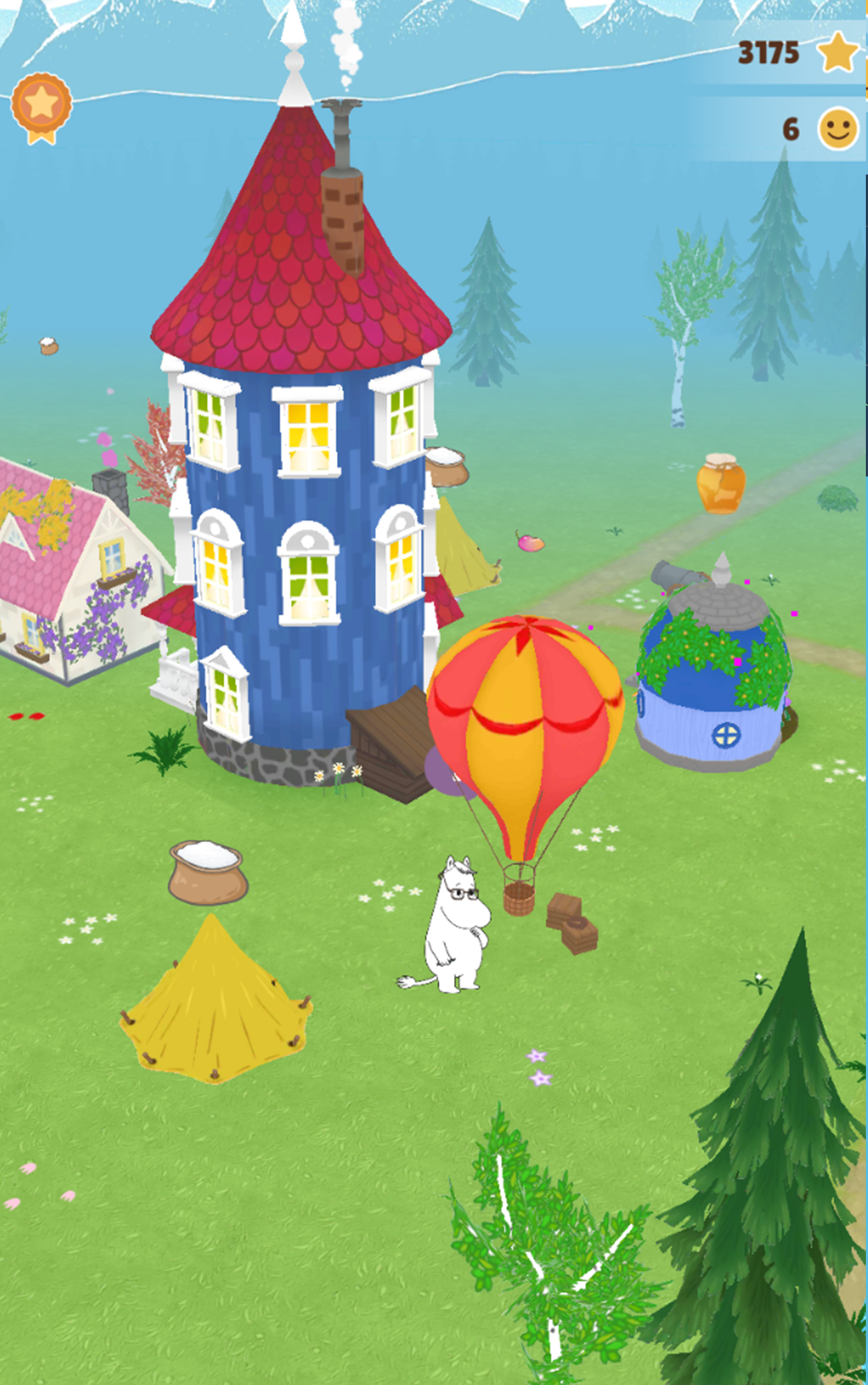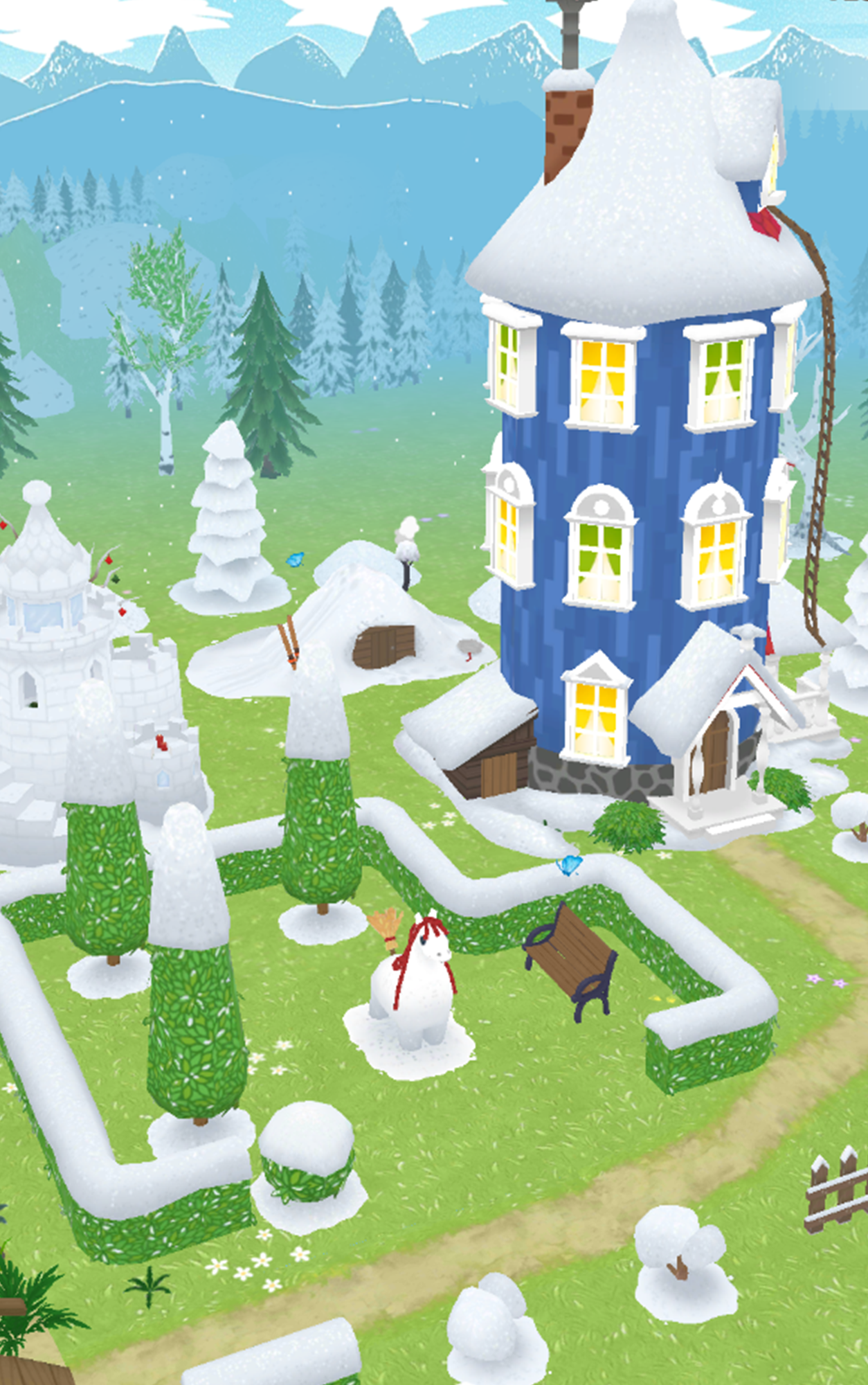
60 man-days to a playable, functional feature.
A fixed budget inside a live F2P game meant the plan had to protect development time, reuse where possible, and reach a testable build fast rather than chase polish first.
Case study / Delivery under constraint
I was tasked to deliver a functional 3D base-building feature for Moomin Move on a fixed 60 man-day budget. I sequenced the work so development never waited on art, hit the deadline with a playable MVP, and the feature later grew into a core part of the game.
02 / First decision
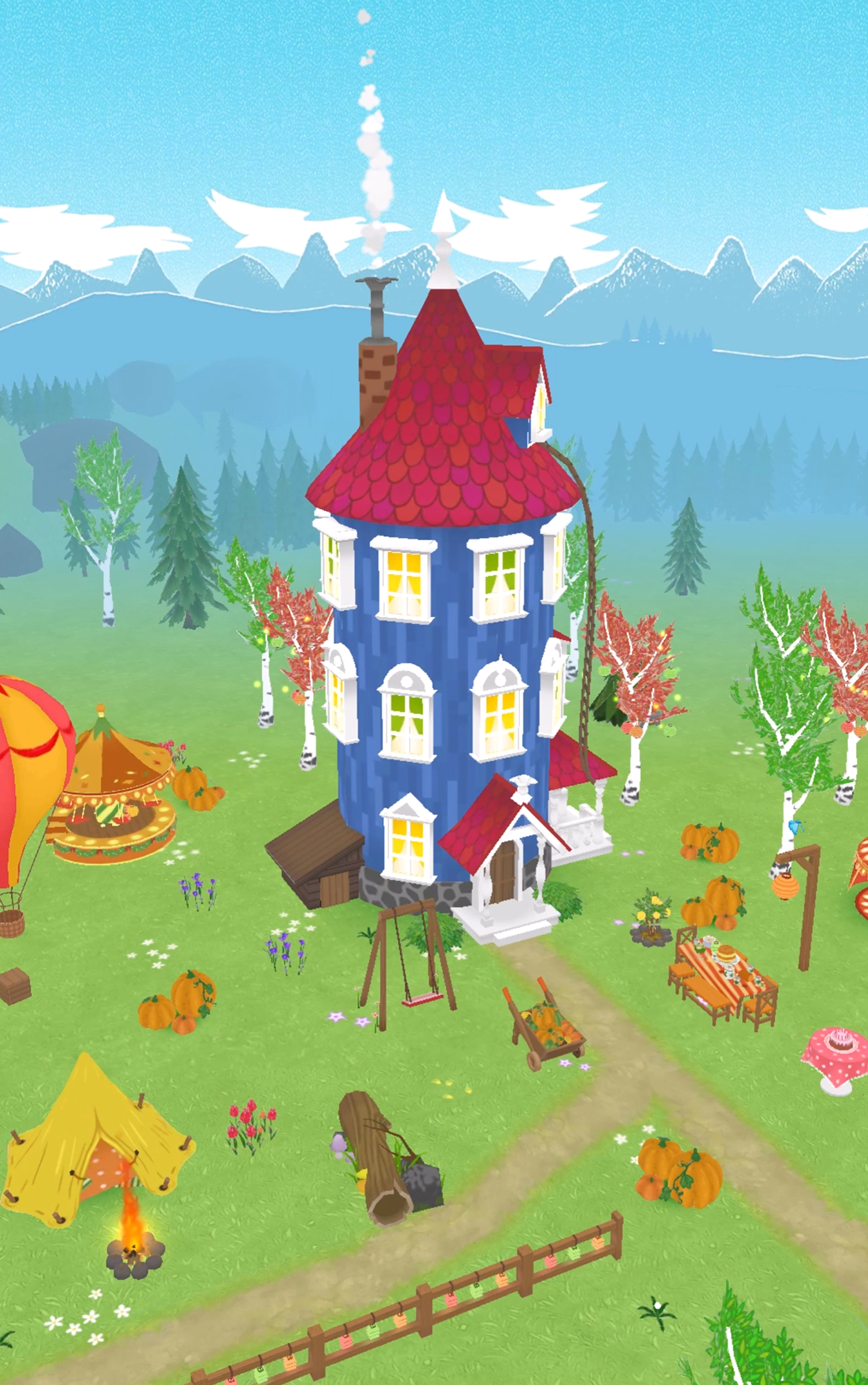
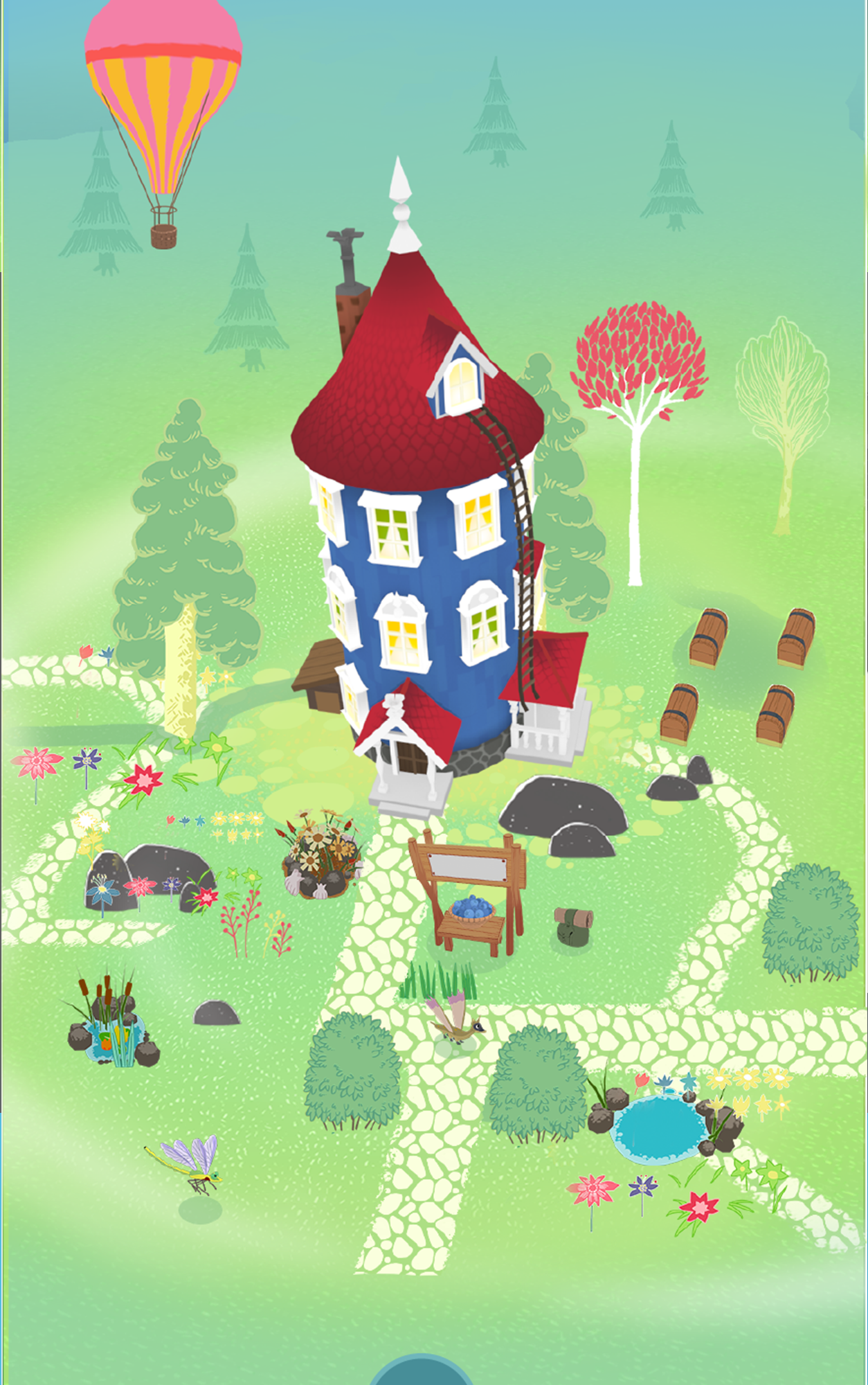
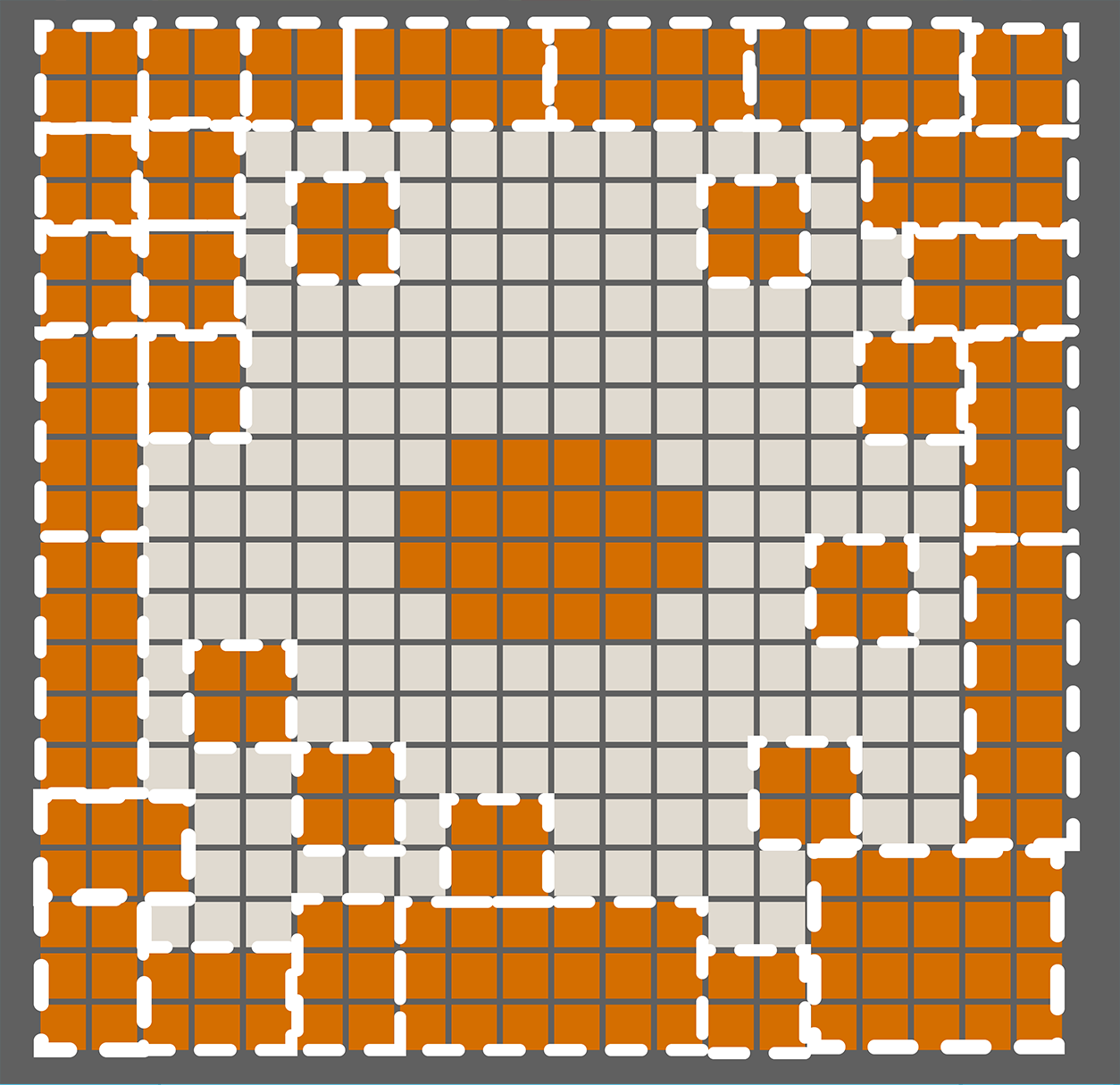
Before committing the budget, I pitched the format. I produced fast visual tests of how a build space could look in the Moomin world so the team could choose with their eyes, not just a spec. 3D was selected for its depth and decoration value.
03 / Sequencing
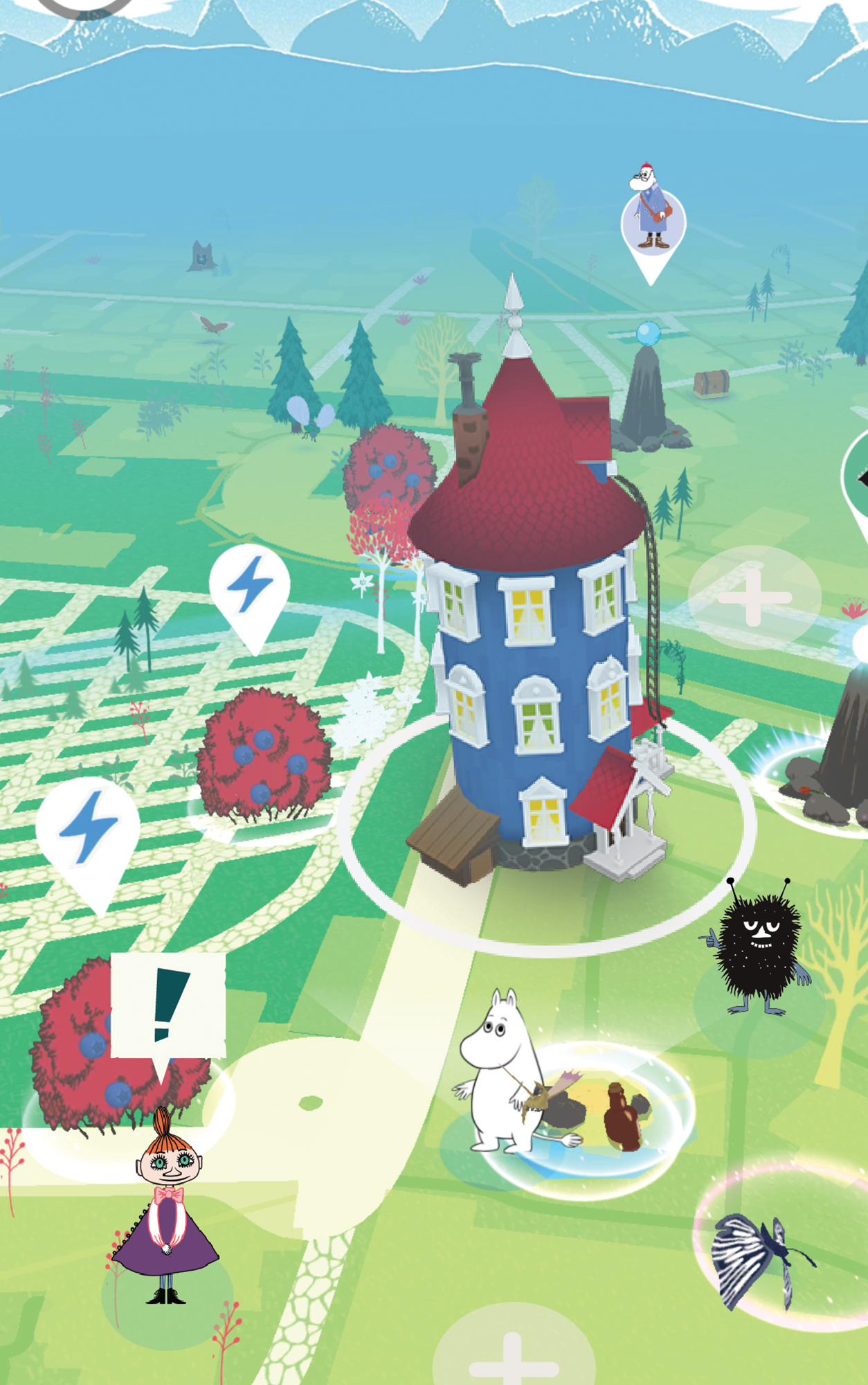
To protect the 60-day budget, I made the work parallel from the start. Instead of building a finished world, I built the smallest possible one and handed it over immediately.
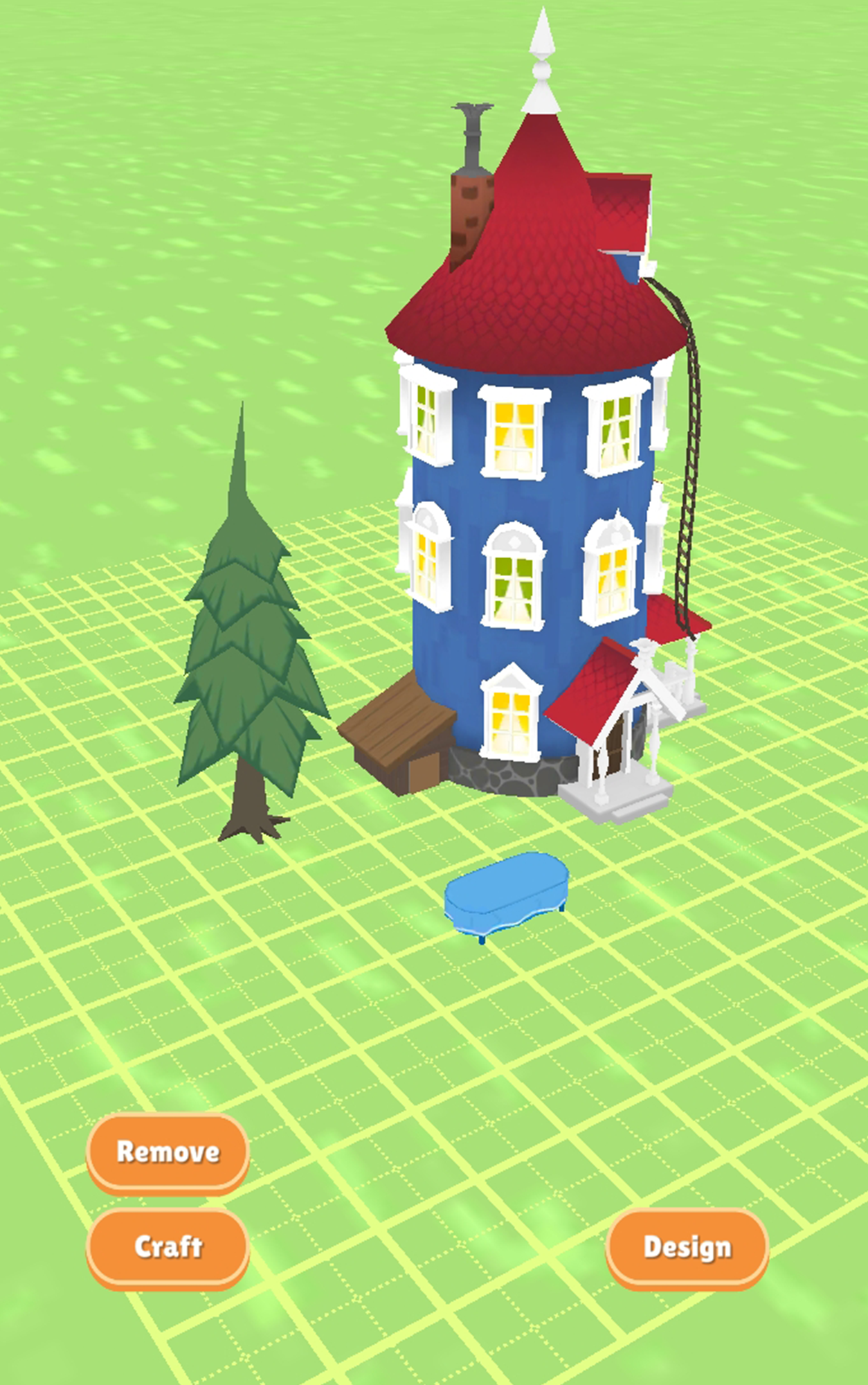
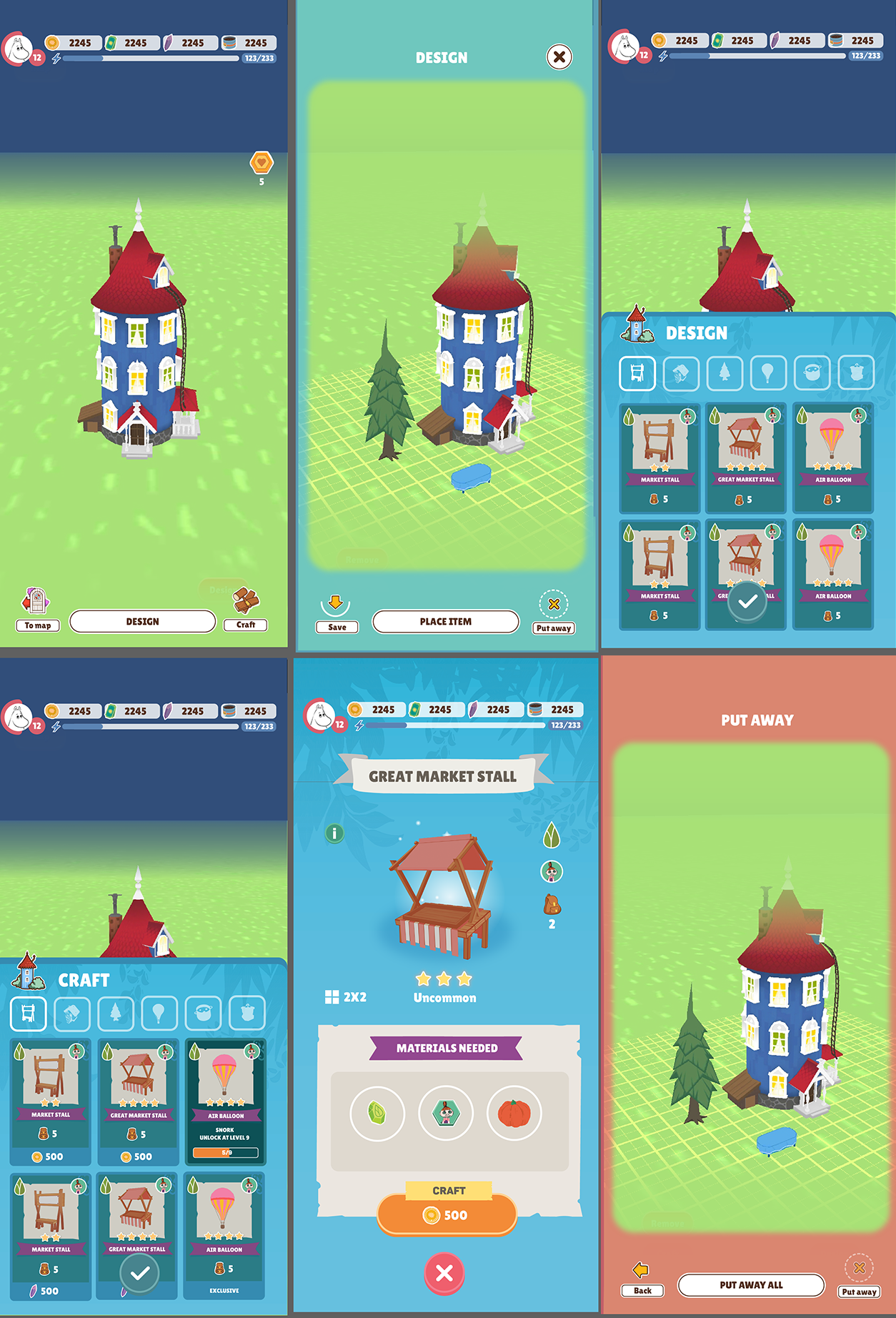
I created just a flat surface with the Moomin house in the center, so the developer could start at once on camera controls and a crude grid-placement system. Placeholder furniture went in early, and we tested controls and placement before any real art existed. Development never waited on me.
04 / Greybox
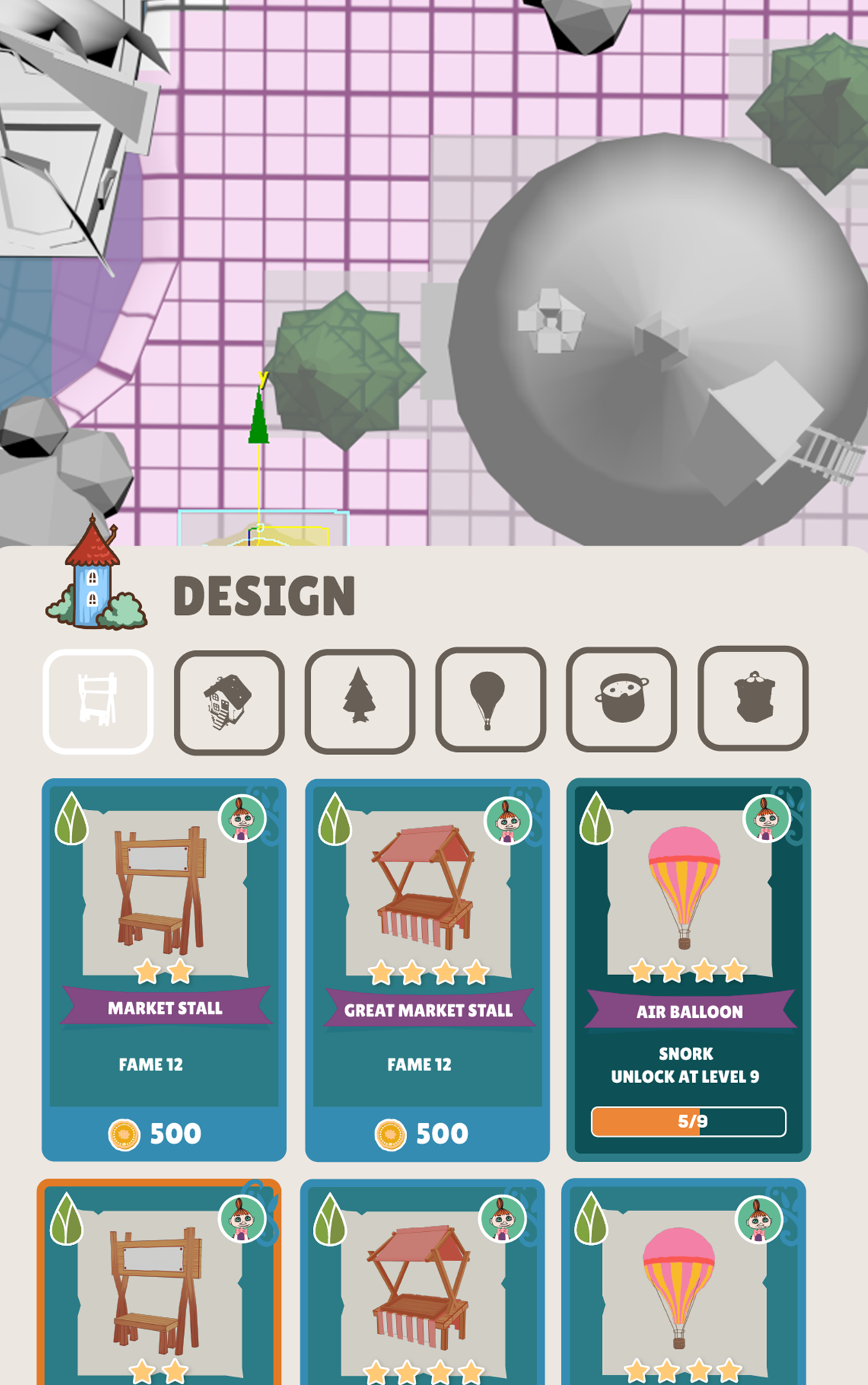
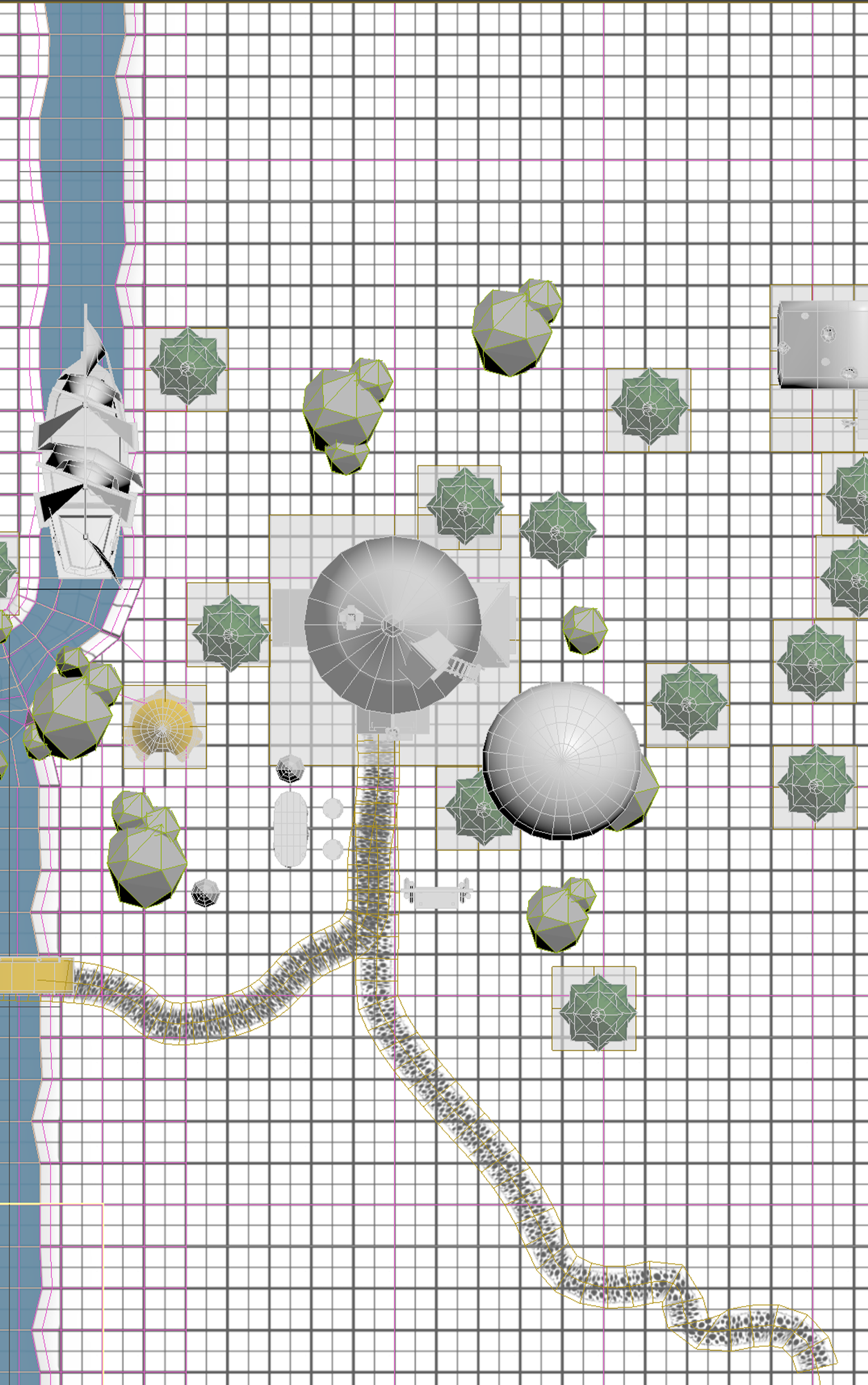
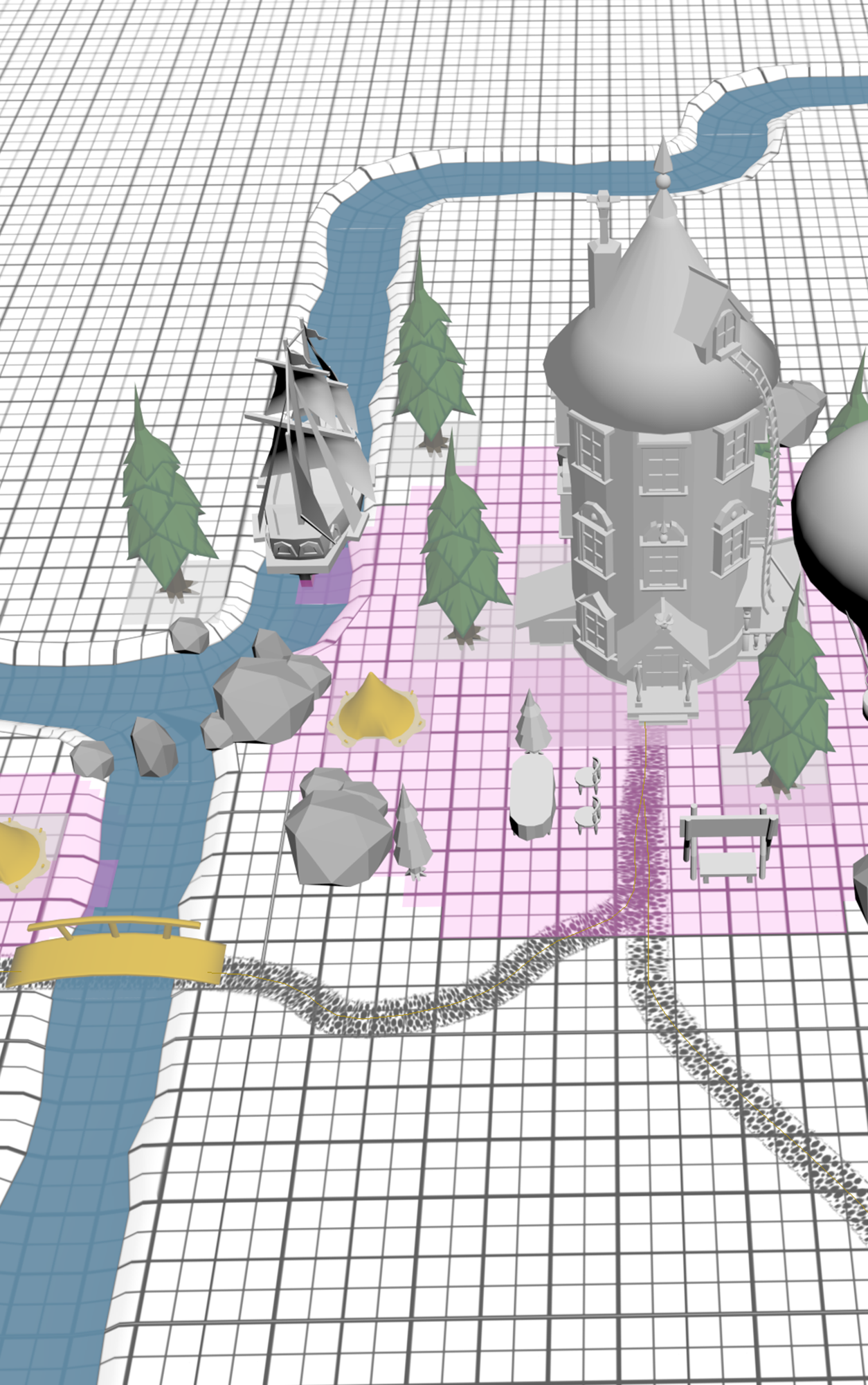
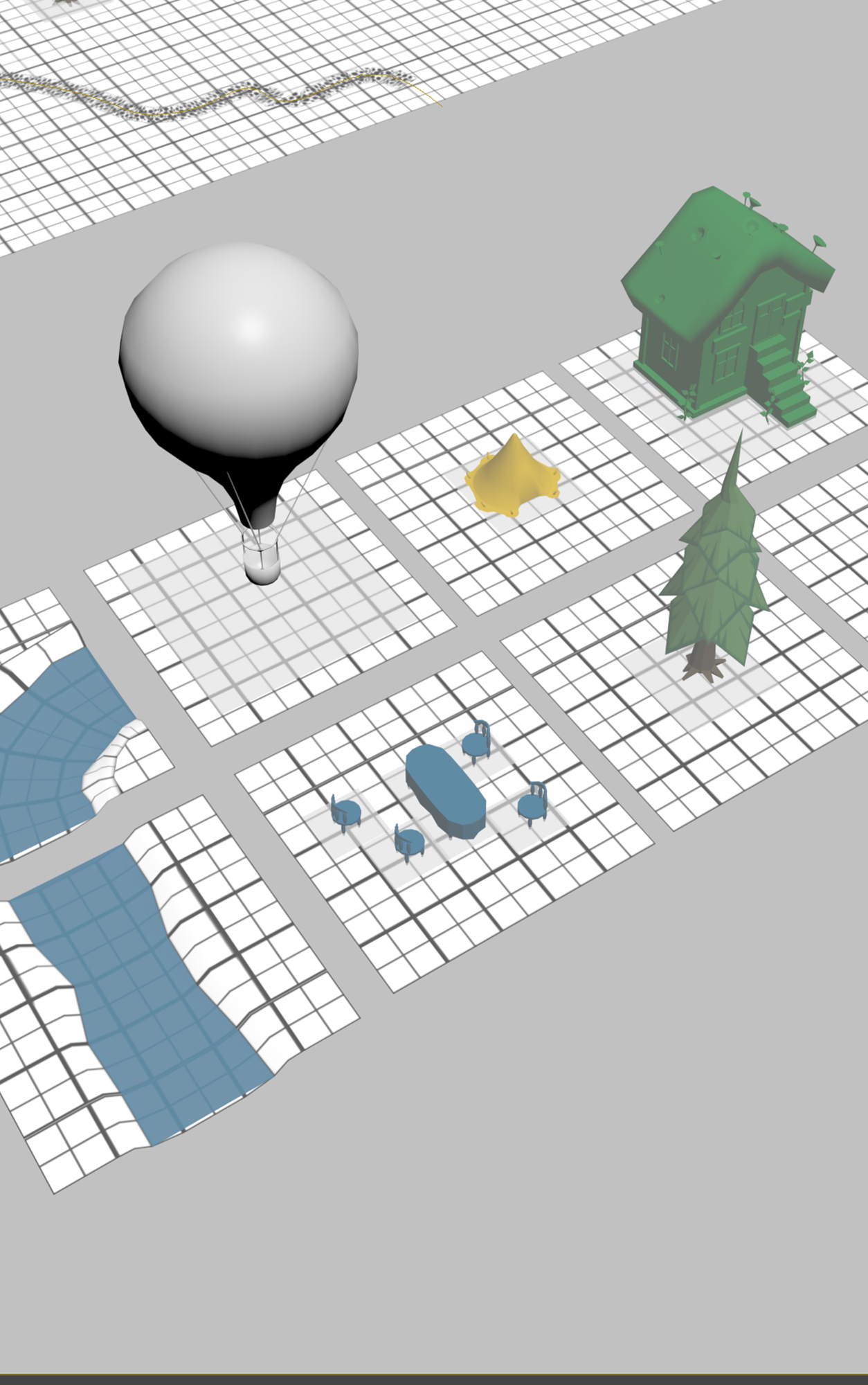
While controls matured in parallel, I blocked out the first full world in grey geometry. It was the fast way to lock layout, scale, and composition without waiting on final art, and it gave the team a real space to test against.
05 / Polish & optimization
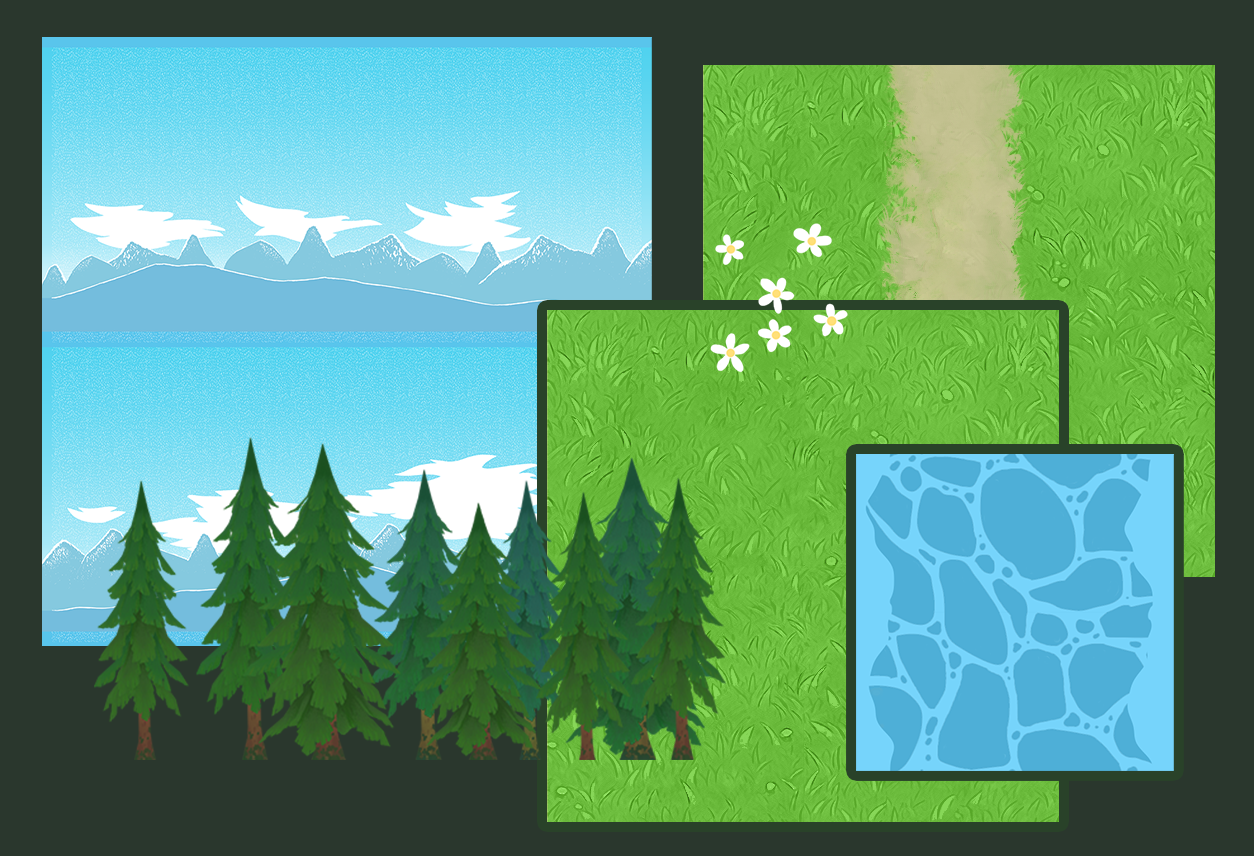
With layout locked, I fine-tuned and textured the environment, then made it cheap to run. Simple tiling textures, a skybox, and linear fog hid the horizon without cost, and the UI was refined into working crafting and grid-placement systems.
I authored the environment textures myself: simple tiling grass, path, and water, plus a painted skybox and linear fog to hide the horizon at almost no cost. Cheap to render, and easy to vary by season later.
I leaned on years of level design and environment-optimization experience to build and tune the world quickly and keep it highly performant on mobile, which is what let a full 3D scene ship inside the budget.
06 / The 60-day result
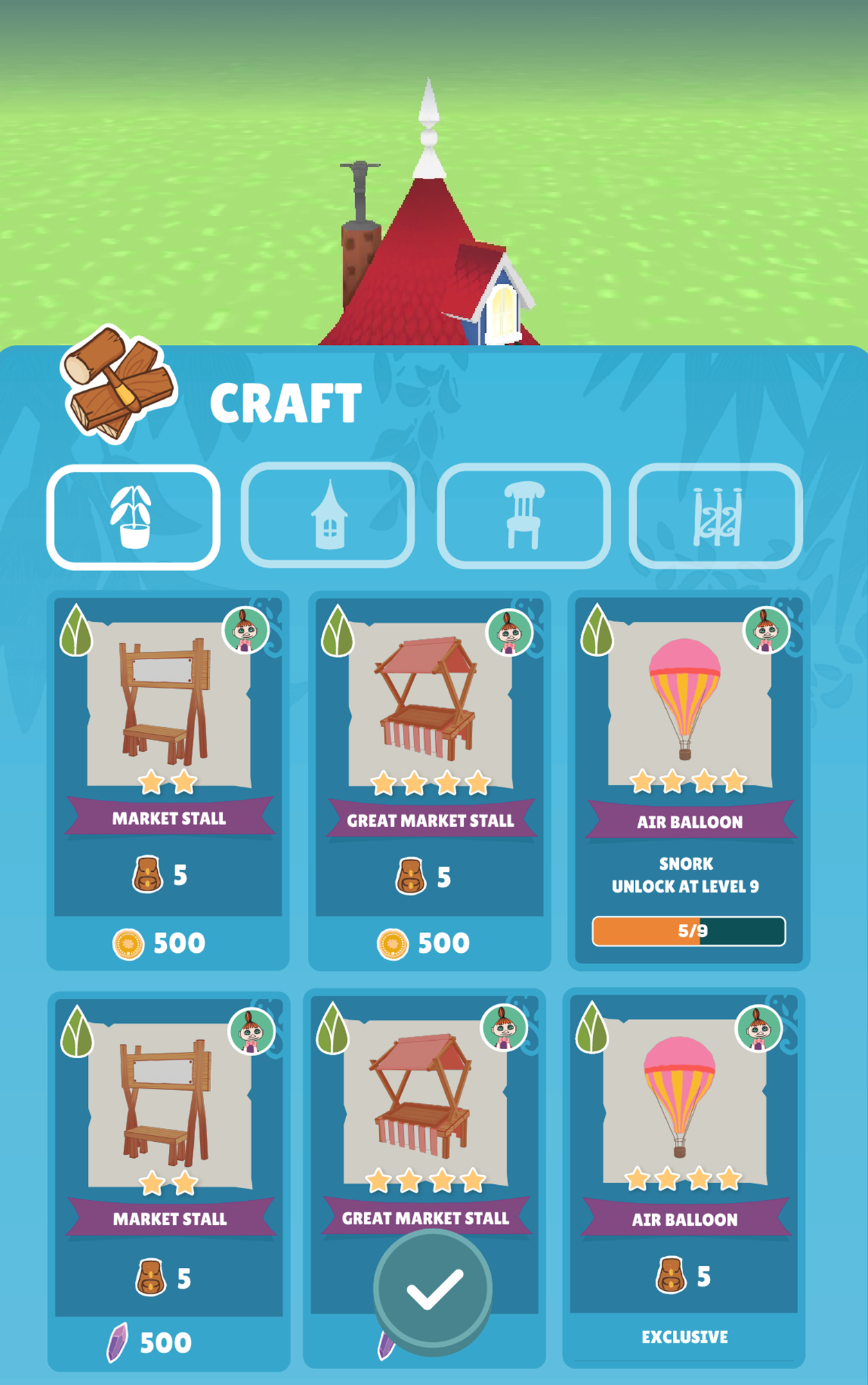
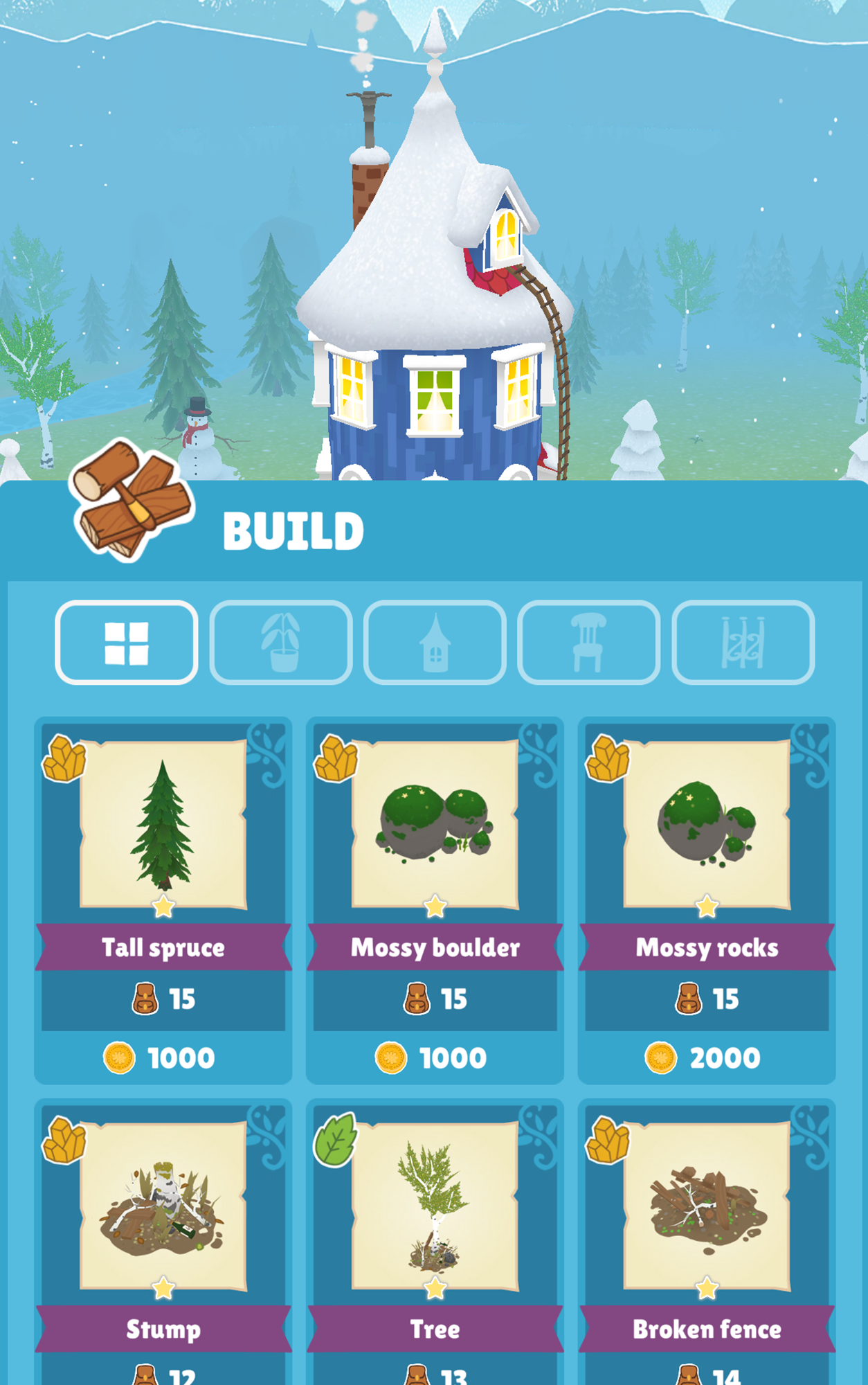
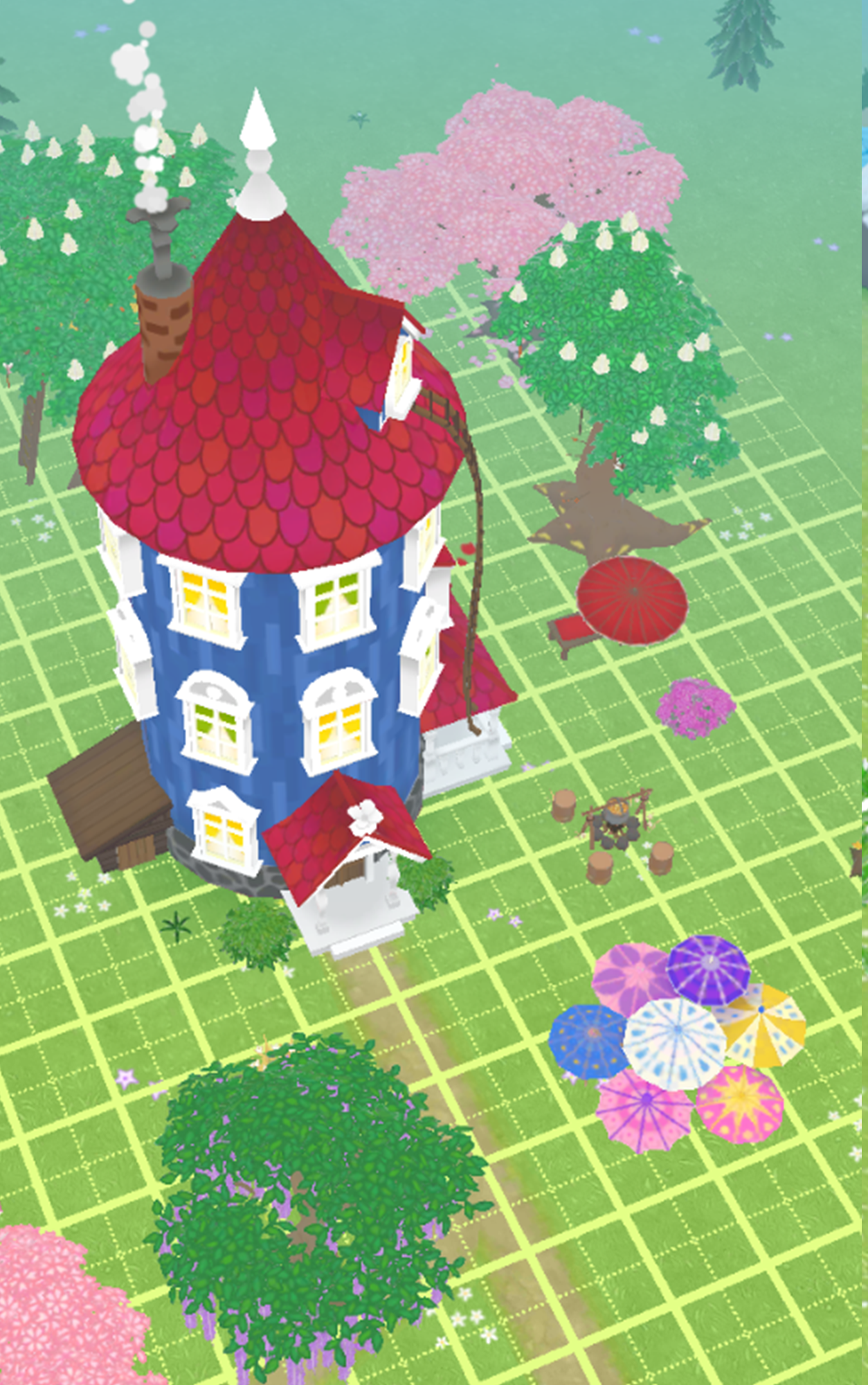
At 60 man-days the feature was functional and shipping: a 3D valley you could build, craft, and decorate. The prop artist's first furniture set became sellable items in loot boxes alongside craftable pieces, giving the feature day-one economy hooks.
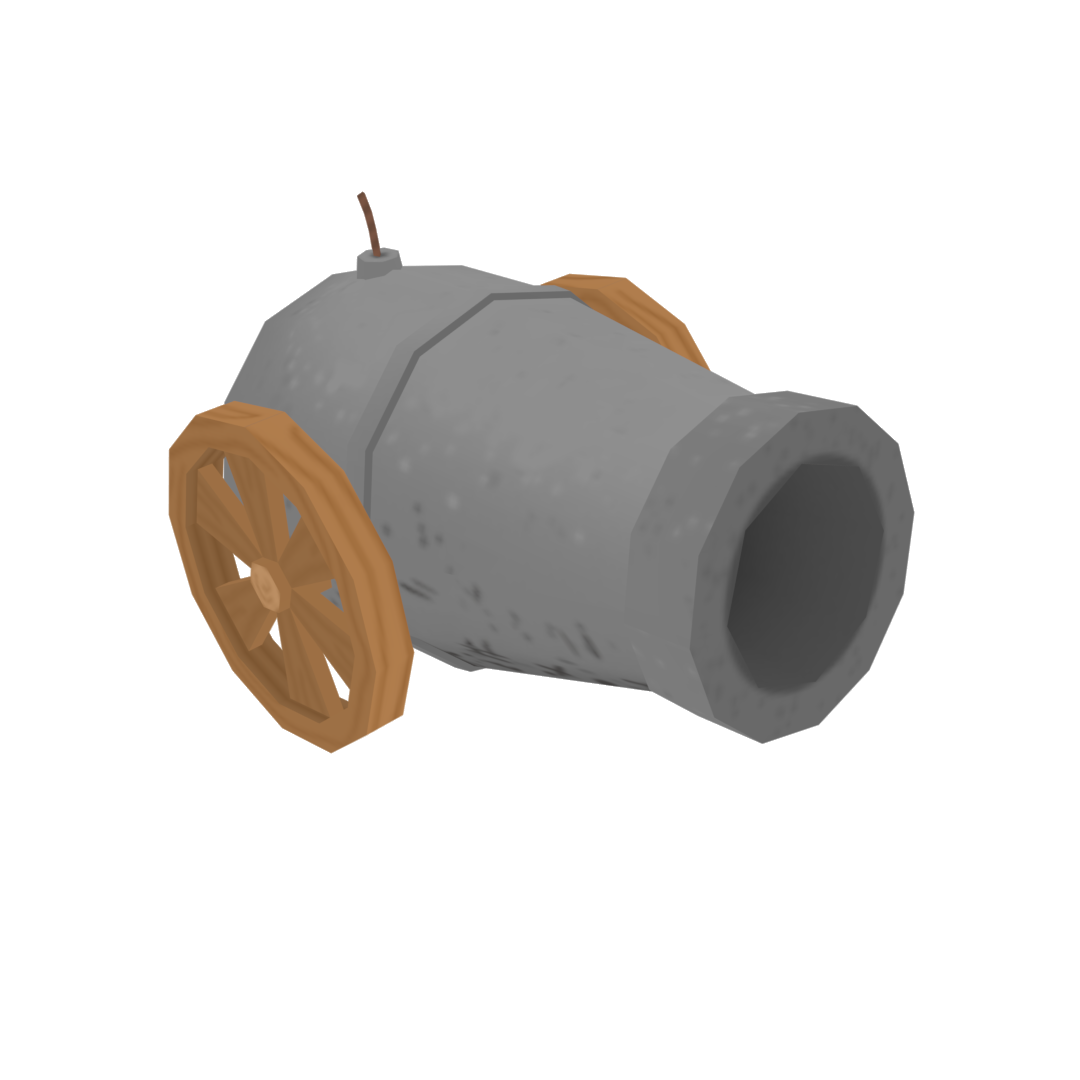
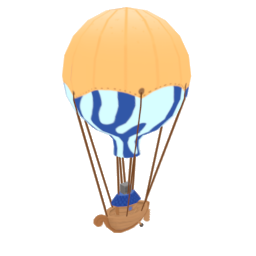
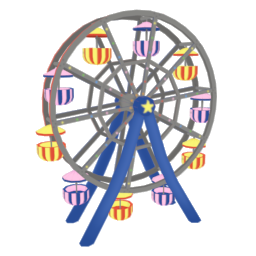
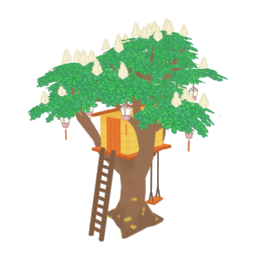
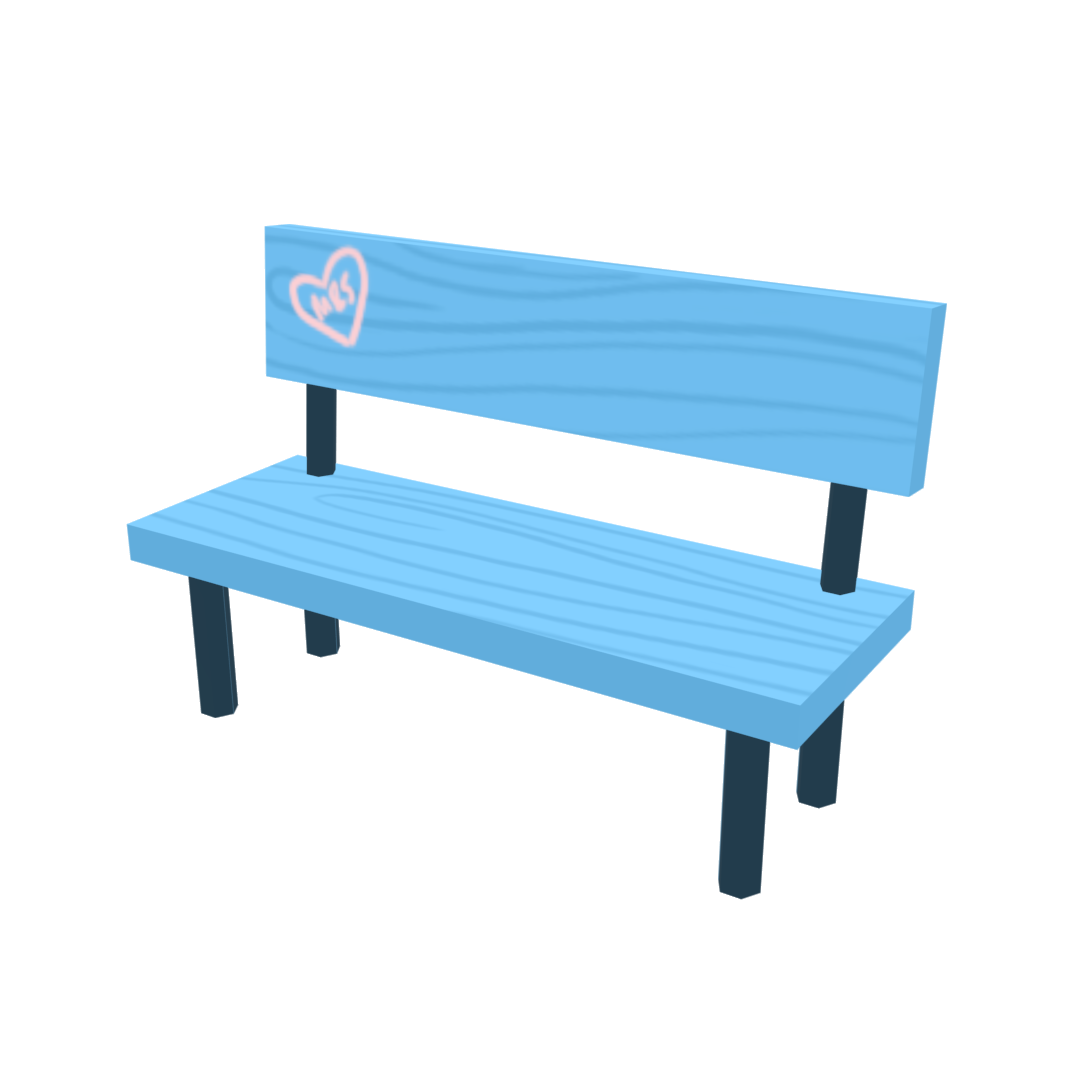
The first prop set shipped as craftable pieces and loot-box rewards, giving the feature day-one economy hooks. A few early examples below.



07 / After validation
At launch it was deliberately small, a light visual minigame rather than core gameplay. Over the next two years, two major updates changed that. The latest brought base building to the very heart of the game, making it a meaningful part of the monetization and retention gains in that period.
Valley visitors, party mode, and gifting in the valley, plus a recurring build event. Onboarding now starts from the valley, and tasks and story were reframed around cleaning and building it for friends in need, making the valley a reason to return rather than a side feature.
In the latest updates the valley became the most important part of the game's visual progression: a safe space for the friends you meet along the way, and a place to celebrate and share what you have built. I led that design change, taking it from a visual prototype to an integral part of the experience.